
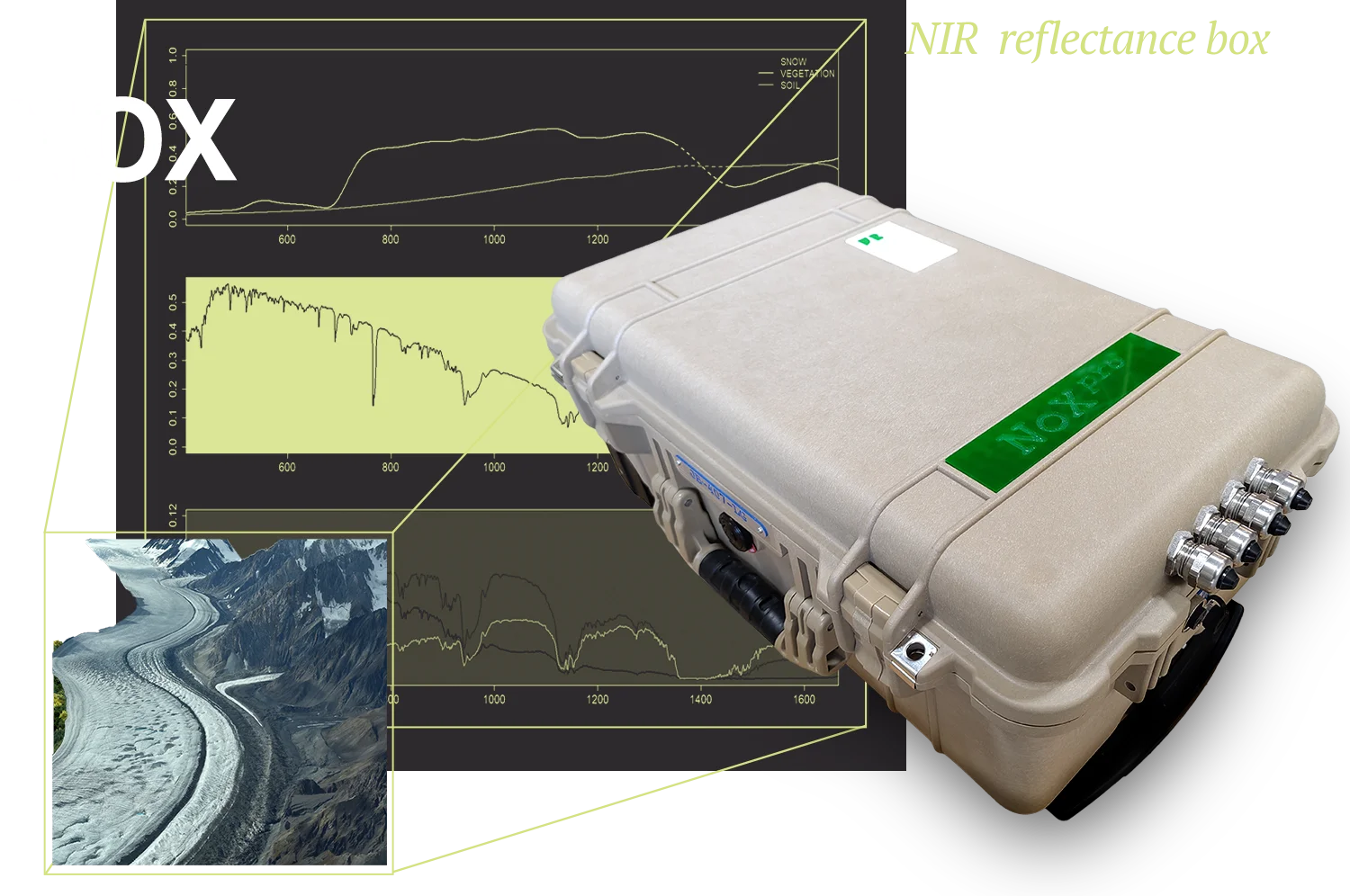
The NoX automatic field spectrometer is a new JBH product that measures reflective spectra and indices from the visible to the near-infrared region (1650 nm). Its low power consumption and rugged case make it suitable for installation in harsh environments, from the poles to the equator.
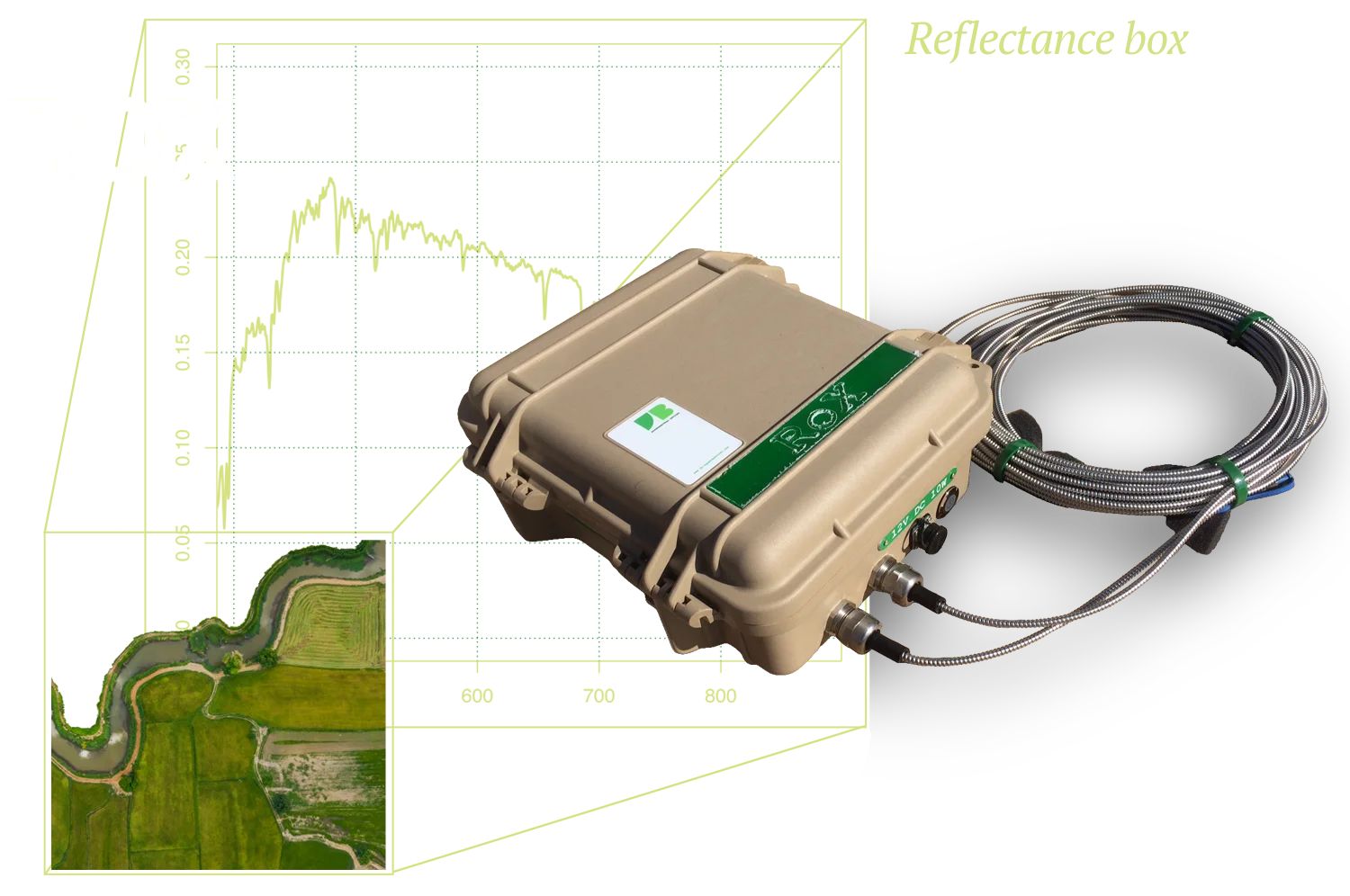
The reflectance box (RoX) is a robust and easy-to-use tool for collecting hyperspectral time series data in diverse environments. It has full autonomous operation, a rugged weatherproof design and low power consumption, making it extremely valuable for all kinds of reflectance measurements.
Vegetation Monitoring
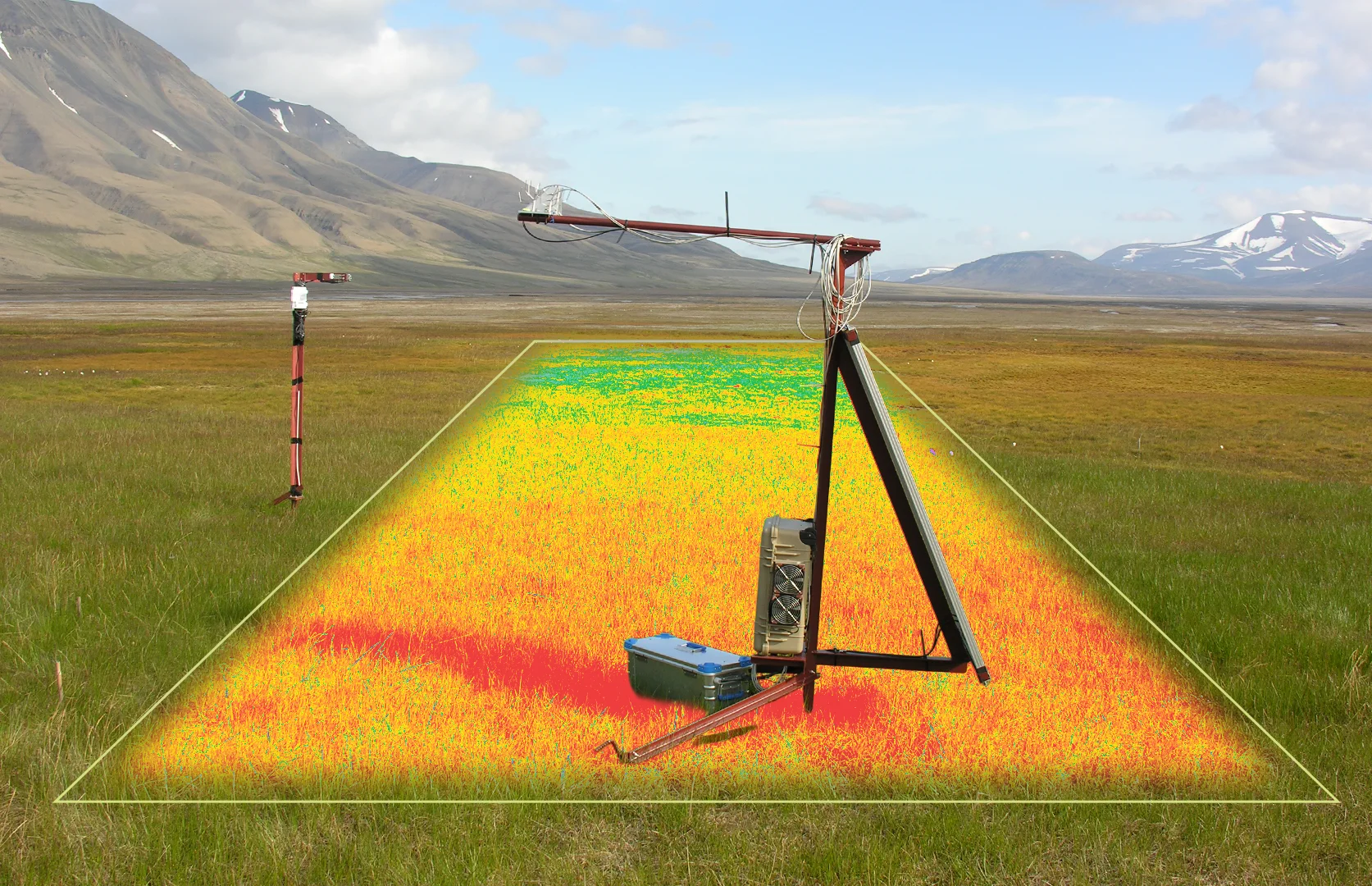
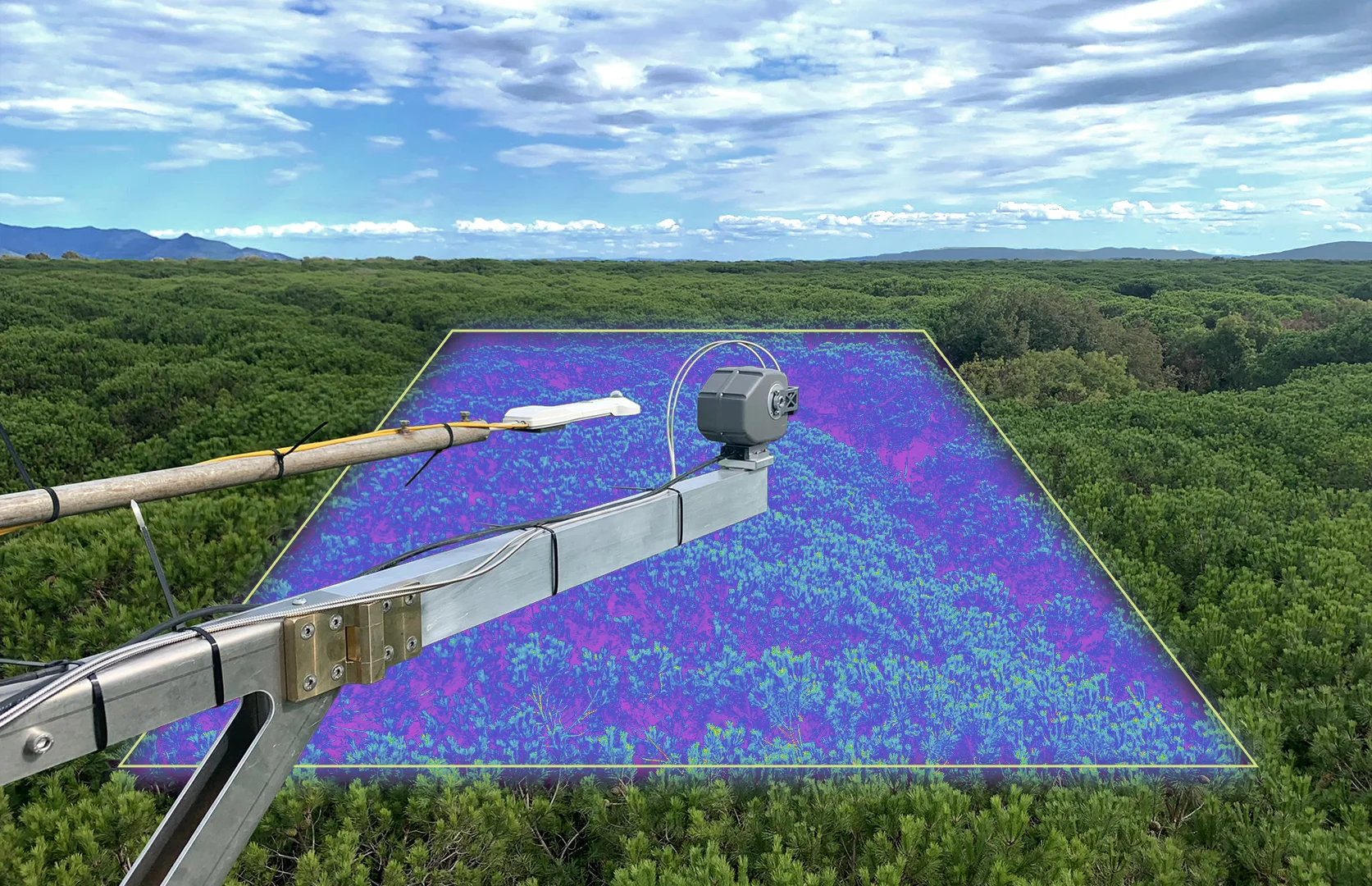
The reflective properties of plants can be used to derive information about their phenological and physiological properties. In remote sensing applications, plant reflective indices are useful for monitoring changes in plant physiological and biochemical properties over time. Data collected by JB Hyperspectral instruments can also be used for comparison with satellite data, or data from other airborne devices, for ground-truthing, calibration and validation studies.
Chlorophyll Fluorescence
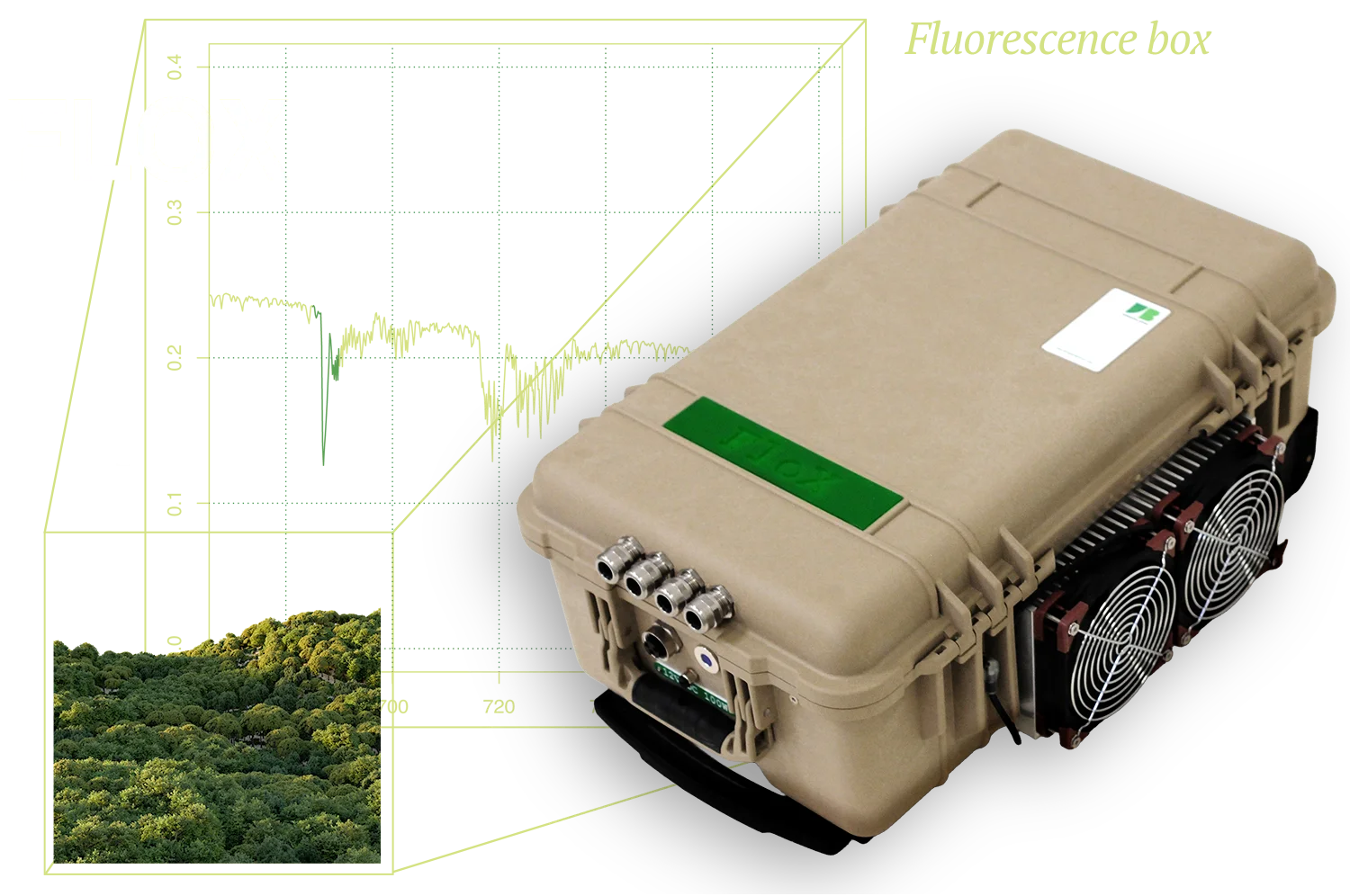
Absorption of light by plants is used to drive photochemistry, with excess energy being dissipated as fluorescence and heat. Measurement of these three processes provides valuable information on photosynthetic efficiency and the negative effects of environmental stresses.
Measurement of solar-induced fluorescence (SIF) is a non-invasive technique that can be performed remotely, and is extremely valuable for precision farming, forest management and assessment of the terrestrial carbon budget. Measurement of SIF by JB Hyperspectral’s FLOX device involves decoupling of reflected solar flux and emitted fluorescence. It is being used by the European Space Agency for global mapping of photosynthesis from space.
Snow Optical Properties
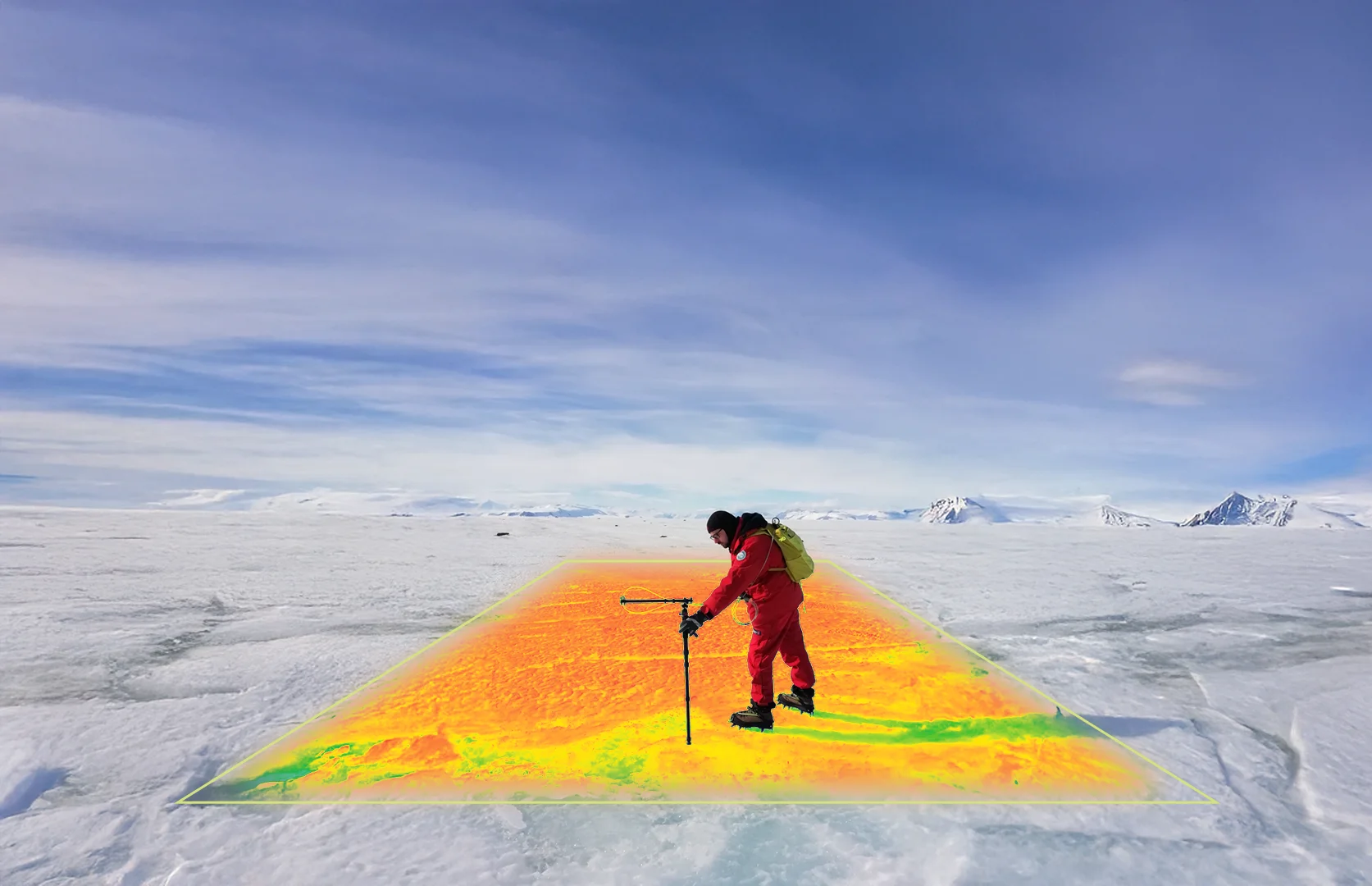
Mineral dust, organic matter, and black carbon are typical impurities found in snow and ice even in remote areas. Such impurities absorb radiation and influence surface melting processes. Scientists studying the cryosphere are interested in understanding how very small variations in the amount of reflected and absorbed radiation can affect the hydrological cycle, as well as the energy balance of snow and ice, with consequent effects on global climate. The optical properties of snow and ice can be used to estimate the dimension of snow crystals and the concentration of impurities, providing data for dynamic models of global warming and climate change.
Water monitoring
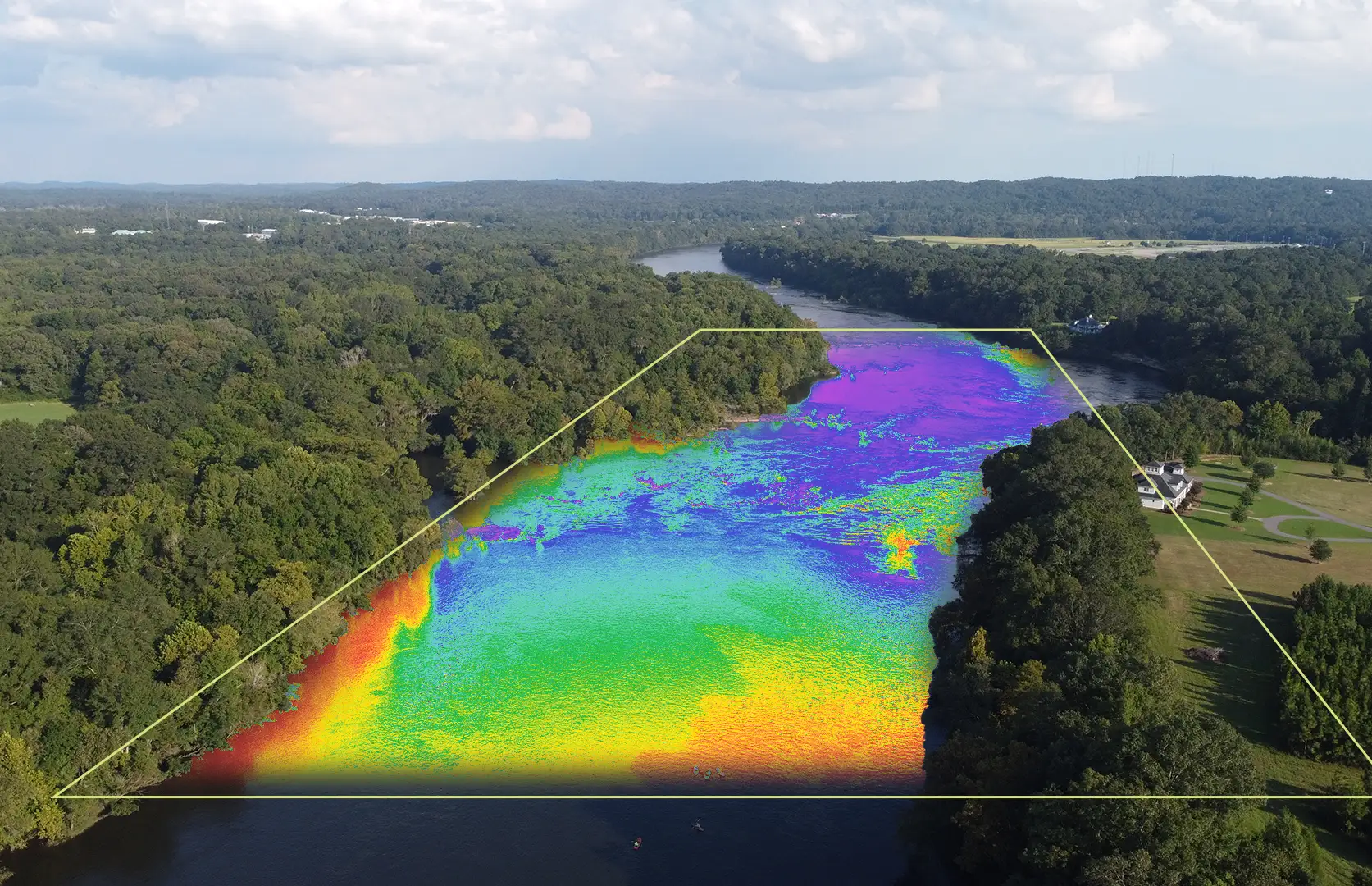
The analysis of water quality in all countries is of international concern. Optical analysis of water bodies provides continuous and accurate assessments of pollutants levels and changes in the aquatic biosphere. More specifically, remote spectral analysis can identify and quantify algal booms, the levels of suspended matter in water bodies, the nature of dissolved organic matter, water clarity, and the presence of cyanobacteria. JB Hyperspectral devices deployed remotely provide continuous and long-term information about the water quality of lakes, rivers and the oceans.